
What They Are, How to Spot Them, and the Long-Term Health Risks
Ultra-processed foods are now responsible for over half of the average American’s daily calorie intake, and research continues to link them to chronic disease, inflammation, and accelerated aging. While they are marketed as convenient and affordable, the long-term health risks of ultra-processed foods are becoming impossible to ignore.
Understanding what ultra-processed foods are—and how to identify them—can dramatically improve metabolic health, gut function, and overall well-being.

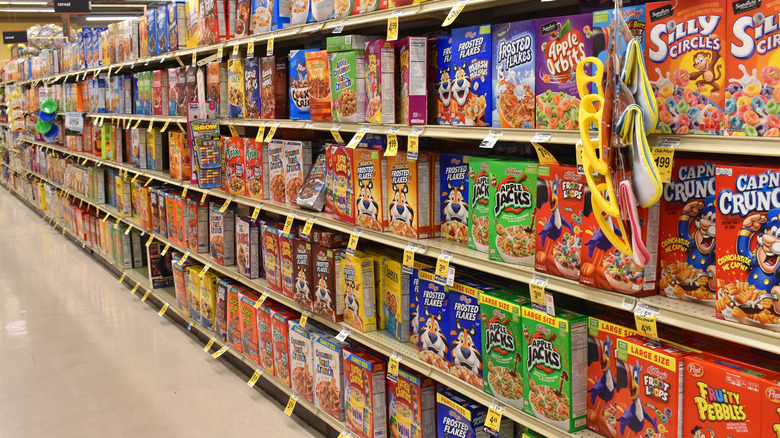

What Are Ultra-Processed Foods?
Ultra-processed foods are industrially manufactured products made primarily from refined substances and additives rather than whole foods. They often contain ingredients that do not exist in a traditional kitchen and are engineered to maximize taste, shelf life, and cravings.
Common Ultra-Processed Food Examples:
- Sugary breakfast cereals
- Packaged snacks (chips, crackers, cookies)
- Soda and sweetened beverages
- Frozen and microwave meals
- Fast food
- Processed meats (hot dogs, deli meats)
- Flavored yogurts, protein bars, and meal replacements
Even foods marketed as “healthy,” “low-fat,” or “high-protein” may still qualify as ultra-processed.
Ultra-Processed Food Ingredients to Watch For
One of the easiest ways to identify ultra-processed foods is by reading the ingredient label.
Red-Flag Ingredients:
- Artificial flavors and colors
- Emulsifiers and stabilizers
- Preservatives
- Artificial sweeteners
- Industrial seed oils (soybean, canola, corn oil)
- Modified starches
- Flavor enhancers like MSG
- High fructose corn syrup or soybean
tip: If you wouldn’t cook with it at home, your body probably doesn’t recognize it as food.
How Ultra-Processed Foods Harm Your Health
1. Chronic Inflammation
Ultra-processed foods drive systemic inflammation, which is a key contributor to autoimmune disease, joint pain, cardiovascular disease, and accelerated aging.
2. Insulin Resistance and Type 2 Diabetes
Refined carbohydrates and hidden sugars cause repeated blood sugar spikes, increasing the risk of insulin resistance and metabolic dysfunction.
3. Heart Disease and High Blood Pressure
Processed foods are often high in sodium, inflammatory oils, and added sugars, all of which increase cardiovascular risk.
4. Gut Health Disruption
Food additives and emulsifiers damage the gut lining and alter the microbiome, contributing to bloating, IBS, immune dysfunction, and nutrient malabsorption.
5. Hormone Disruption
Many ultra-processed food additives interfere with hormone signaling, affecting thyroid health, cortisol balance, fertility, and weight regulation.
6. Brain Health, Mood, and Cognitive Decline
Research links ultra-processed diets with increased risk of depression, anxiety, and cognitive impairment, likely due to inflammation and nutrient deficiencies.
7. Increased Cancer Risk
Large population studies have shown higher cancer rates among individuals consuming high amounts of ultra-processed foods.
Why Ultra-Processed Foods Are So Addictive
Ultra-processed foods are designed to stimulate dopamine in the brain, overriding natural hunger and fullness signals. This makes cravings stronger and moderation harder—a biological response, not a willpower problem.
How to Reduce Ultra-Processed Foods in Your Diet
You don’t need to be perfect—just intentional.
Practical Steps:
- Shop the perimeter of the grocery store
- Choose foods with 1–5 recognizable ingredients
- Cook simple meals at home
- Replace soda with water, mineral water, or herbal tea
- Prioritize whole proteins, vegetables, fruits, and healthy fats
Whole Foods vs Ultra-Processed Foods: Why It Matters
Whole foods provide:
- Natural fiber
- Essential vitamins and minerals
- Anti-inflammatory compounds
- Stable blood sugar support
Ultra-processed foods do the opposite.
Final Thoughts: Food Is Information
Every meal sends signals to your body—either supporting healing or driving disease. Reducing ultra-processed foods is one of the most powerful preventive health strategies available today.
Your body thrives on real food, not industrial substitutes.
If you’re struggling with inflammation, weight gain, digestive issues, or metabolic health, personalized nutrition and lifestyle guidance can make a profound difference. Our clinic focuses on root-cause wellness strategies designed to support long-term health—not quick fixes.